Families That See Together, Do Together
Build a Family Command Center
Turning Schedules into Shared Pictures
The Five-Minute Family Sync
Gather briefly at breakfast or evening wind-down. Each person shares one commitment, one pinch point, and one request for help. Capture highlights on the board with quick symbols and initials. Five minutes beats fifty of scattered texts later. Over time, this tiny ritual becomes trust in motion, because nobody is left guessing and small frictions get sanded before they grow sharp edges.
Time-Blocking That Breathes
Paint blocks for school, work, movement, and recovery, then include breathing space like transit and decompressing. Show realistic start and end times, not fantasy ideals. When clashes appear, slide blocks instead of scrapping them. Families learn that moving a plan is not failing a plan. The visible shuffle teaches adaptability, protecting energy while still honoring commitments that matter most to everyone involved.

Kanban for Kitchens and Bedrooms
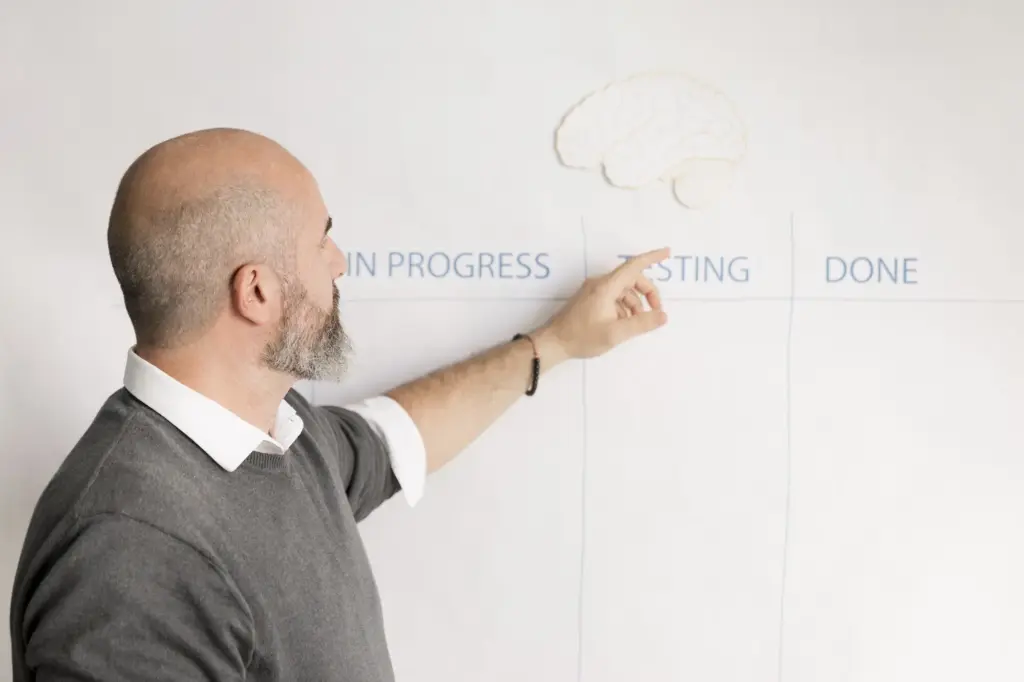
Create a simple three-column board for spaces that regularly get messy. Break chores into clear, small cards like wipe counters, vacuum rug, change sheets, feed pet. Assign by initials or color, and review progress during the weekly sync. When cards bottleneck, discuss why: unclear instructions, missing supplies, or time crunch. Improve the system, not the blame. Children quickly learn prioritization alongside responsibility, which is an invaluable life skill.
Points, Tokens, and Honest Rewards
Track effort with tokens or stars tied to specific, visible contributions, not vague goodness. Agree on attainable rewards such as choosing dessert, picking a movie, or extra reading time. Keep the scoreboard public and kind. The aim is momentum, not pressure. When rewards reflect teamwork, siblings begin encouraging each other, and the home shifts from pushing compliance to inviting participation, powered by shared wins everyone can recognize and appreciate.
When Things Slip Through the Cracks
Missed tasks happen. Use a gentle recovery lane on the board, where neglected cards rest without shame. In your next sync, ask what blocked progress and co-create a fix: smaller steps, clearer timing, better placement, or shared pairing. Visibility turns frustration into data. Families learn to diagnose systems kindly instead of labeling people, which preserves relationships and steadily improves how the household actually functions day after day.



Kids, Neurodiversity, and Accessibility by Design

Digital, Analog, and the Right Mix for Your Family
Whiteboards, Paper, and Tablets Working Together
Use the wall for at-a-glance coordination, paper checklists for pocketable tasks, and tablets for deep calendars and reminders. Snap photos of the board after syncs to share with traveling members. Archive weekly wins in a folder for easy reflection. Each format does what it does best, and together they build continuity, so plans remain dependable whether you are home, commuting, or juggling events far from the kitchen counter.
Privacy, Boundaries, and Opt-In Transparency
Not every note belongs to every eye. Create private sections for health, finances, or sensitive school matters, and agree on what gets shared. Teens especially need dignity. Use initials, generic labels, or locked lists when necessary. Transparency should invite collaboration without eroding autonomy. Revisit boundaries quarterly, adjusting as kids mature and situations shift. Trust deepens when visibility feels chosen, not forced, and safety stays prioritized kindly and clearly.
Backups, Rituals, and Staying Power
Ritualize refresh points: Sunday planning, Wednesday midweek tweaks, and a monthly reset where you prune clutter. Keep a simple backup habit by snapping photos of critical boards. When life gets turbulent, reduce to essentials and rebuild visually. Systems succeed when maintenance is tiny, predictable, and shared. Invite everyone to suggest improvements, celebrate experiments, and subscribe for future checklists and templates so fresh ideas keep arriving right when motivation needs a lift.