Brains Love Pictures and Words
Neuroscience shows our minds store visuals and text through complementary channels, so blending both accelerates encoding and retrieval. A small symbol—a clock, a checkbox, a lightbulb—creates an instant cue. Later, your brain reconstructs context from that cue, saving time, lowering stress, and rescuing half-remembered tasks before they vanish.

Attention Anchors in Busy Days
During long meetings, attention drifts. Visual anchors—headlines inside boxes, arrows linking causes to effects, bold icons beside decisions—pull focus back. Instead of rereading paragraphs, your eyes land on shapes that shout meaning. Those anchors collapse scanning time, protect energy, and keep momentum alive when calendars overflow.

From Meeting Fog to Clear Actions
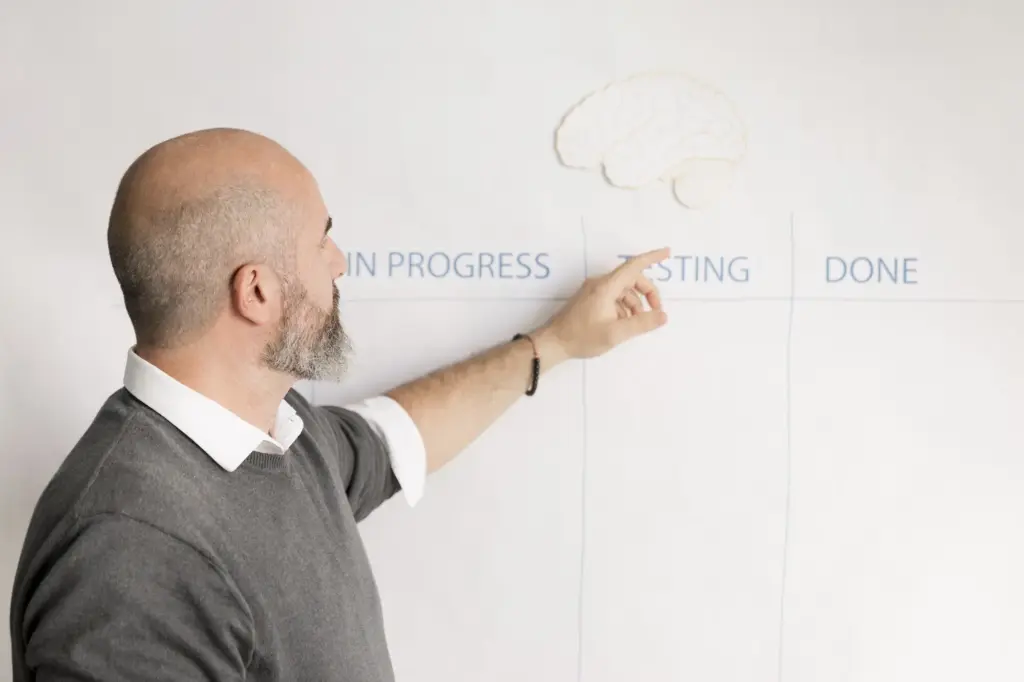
Consider a weekly status call that once produced vague minutes. With a one-page visual map—agenda on the left, blockers in red clouds, owners tagged beside checkboxes—the team leaves with clarity. No debates about who does what. The page becomes a trusted compass the whole week.